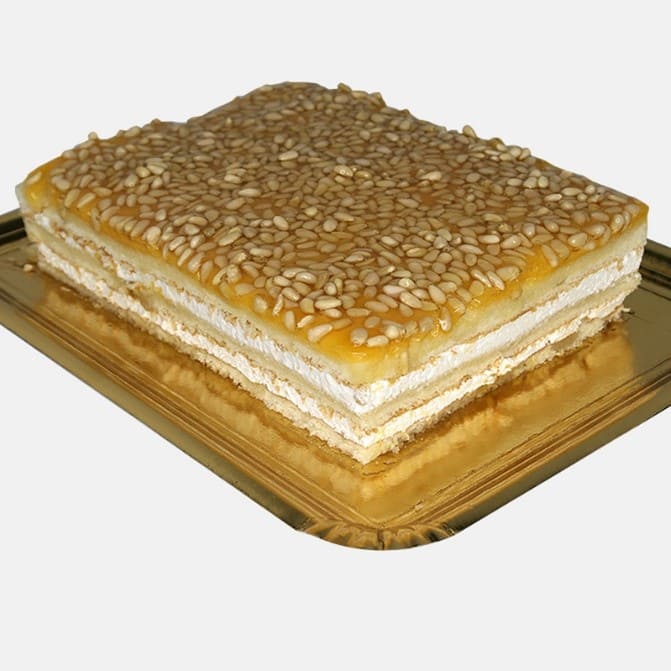
IBERIAN PINE NUTS
CHARACTERISTICS
The Iberian pine nut is the fruit or seed of the Pinus pinea (stone pine), which has been cultivated in the Iberian Peninsula for more than 6,000 years, and which harvesting process goes back a long time. This fruit is found in the female cones called pine cones.


FOR HEALTH
For every 100 grams of pine nuts, the vegetable protein content is 14 grams; a very high proportion among nuts. They are also a source of fiber, which helps regulate intestinal transit.
Pine nuts provide quality energy due to their richness in protein, calcium, potassium, iron, magnesium and phosphorus. In addition, the antioxidant power of vitamin E they contain can help keep the skin healthy and young. Similarly, regularly consuming pine nuts can help reduce the risk of diabetes and heart disease. The unsaturated fats in pine nuts help increase HDL or good cholesterol levels and reduce LDL or "bad" cholesterol levels. Also, omega-3 fatty acids can prevent arrhythmias (a condition in which the heart beats too fast or too slow) and help reduce blood clotting.
These fatty acids perform a double function in building and repairing cells in the brain. Research has shown a connection between omega-3s and improved thinking skills and blood flow to the brain. Antioxidants in pine nuts may also help reduce cellular stress and inflammation in the brain, which can improve overall cognition and reduce the risk of dementia.
They help the cardiovascular system and boost the anti-inflammatory response thanks to their Omega 3 and 6 fatty acids. They are the nut richest in lipids, after macadamia nuts.
A 100 g serving of raw pine nuts provides:
- Energy: 682 kcal
- Protein: 14 grams
- Fat: 68.6 grams
- Carbohydrates: 3.9 grams
- Fiber: 8.5 grams
- Magnesium: 270 milligrams
- Phosphorus: 650 milligrams
- Iron: 5.6 milligrams

FOR COOKING
The Iberian pine nut is highly appreciated for its aroma and good taste. It is rich in protein and contains a high percentage of fatty acids and vitamins A, B, C and E that help strengthen the immune system.
In general, in Mediterranean cuisine they are often added to meat, fish, salads, vegetable dishes and also to sweets and desserts. In Catalan and Valencian cuisine they are often used both in sweet recipes, such as coca de piñones or panellets, and in salads, such as Catalan spinach. They are an essential component of an Italian sauce, pesto.